
Description
Foam-On Ceramic Protection for Agricultural Equipment
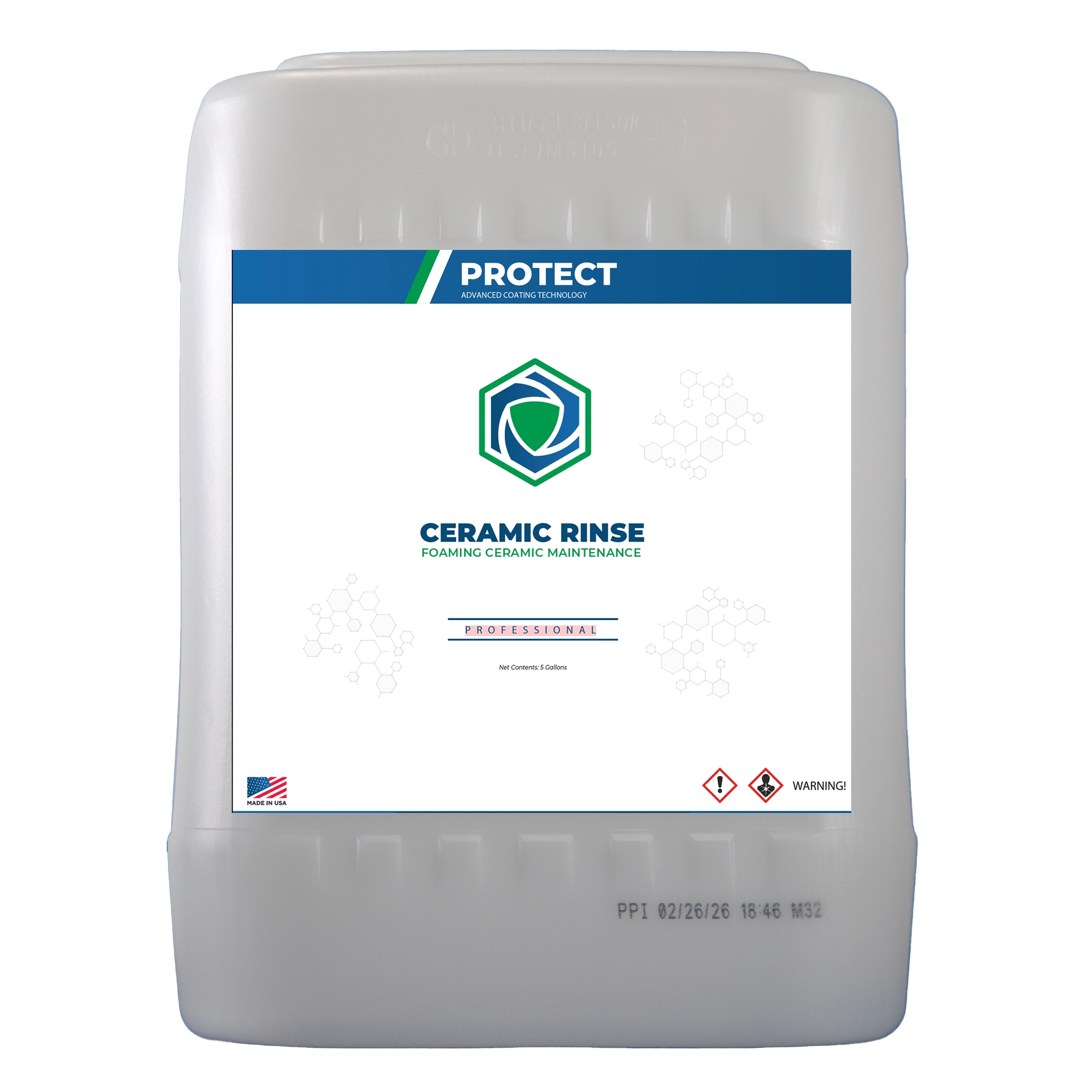
Ceramic Rinse foaming protectant is designed specifically for tractors and heavy equipment. Applied through the Pro Foamer Foam Cannon, it helps increase water beading, improve shine, reduce water spots, and add fast ceramic protection with minimal labor.
Simply foam it on after washing, allow it to dwell briefly, and rinse it away.
No wiping required.
No complicated ceramic coating process.
No additional polishing steps.
Ceramic Rinse is one of the easiest ways to protect tractors, combines, sprayers, semis, and heavy equipment after washing.
Ceramic Rinse was Built to Work with ProFoam™
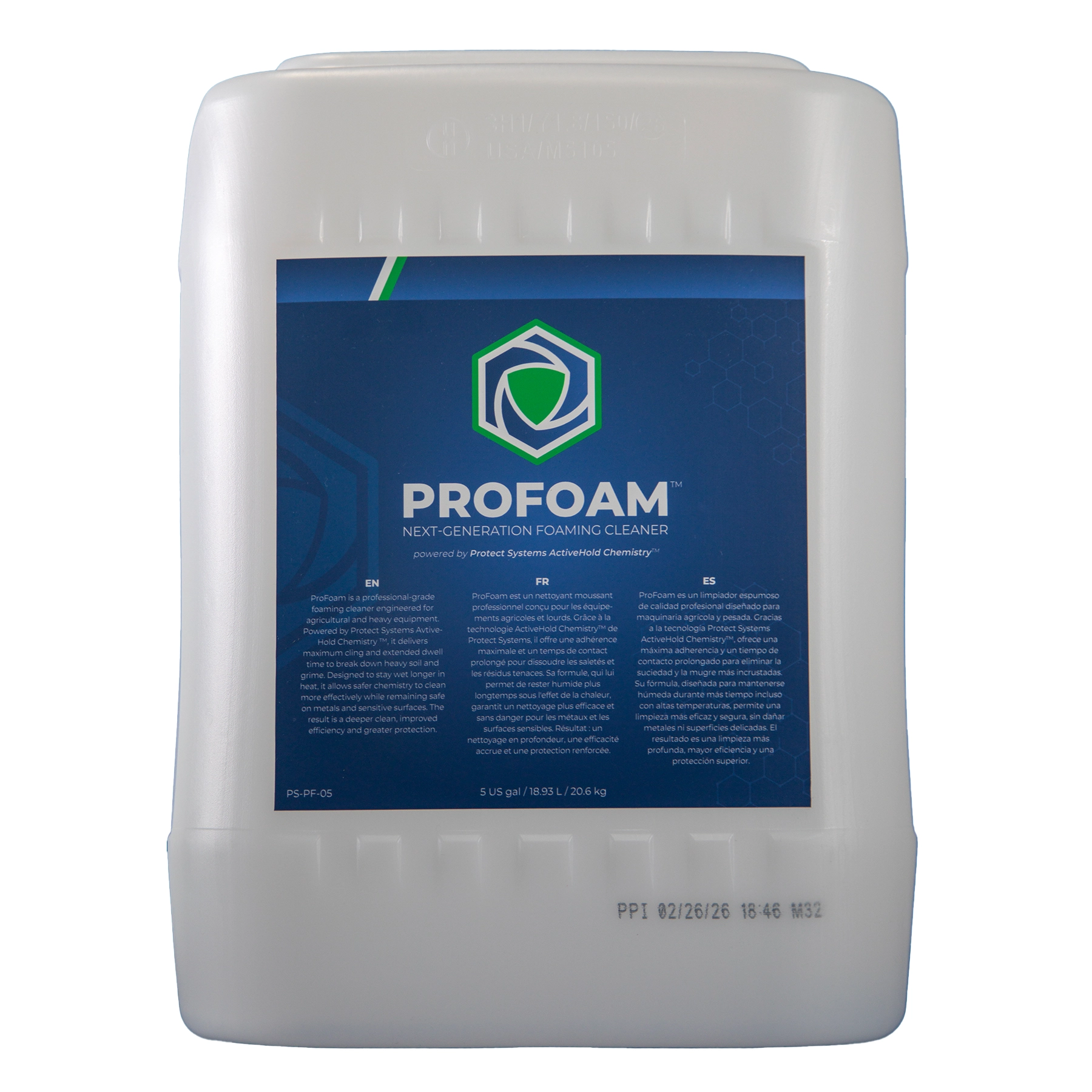
Our foaming rinse was engineered to work alongside ProFoam™ Foaming Cleaner as part of a complete cleaning and protection system for agricultural equipment.
First wash the equipment using ProFoam™. Then foam directly to the wet surface using a second foam cannon.
ProFoam™ removes contamination.
Ceramic Rinse adds protection and shine.
Together they create one of the fastest and easiest equipment maintenance systems available today.
Recommended Products
Water Beading Performance
Large painted equipment surfaces often allow water to sheet across the panel and dry slowly, leading to water spots and mineral buildup.
Ceramic Rinse changes the behavior of water on the surface.
Immediately after application, water begins to bead tightly and run off quickly before it has time to dry.
The slick ceramic layer helps:
- Reduce water spotting
- Improve water runoff
- Increase gloss and shine
- Make future cleaning easier
- Help reduce dirt and contamination buildup
Video Demonstration
[EMBED APPLICATION AND WATER BEADING VIDEO HERE]
Why Ceramic Rinse Clings Longer
Ceramic Rinse clings extremely well to painted and vertical surfaces during application while still rinsing clean and easily.
Users consistently comment on how well it stays in place without rapidly drying during use.
Once rinsed, water instantly beads and runs away from the surface.
Ceramic Rinse for Ceramic Coating Maintenance
Our foaming rinse was developed as a maintenance rinse for equipment protected with Protect Ceramic Paint Pro EVO and Tire & Trim ceramic coatings.
It helps maintain hydrophobic performance, improve gloss, refresh slickness, and extend the life of professionally coated equipment.
Ceramic Rinse is also an excellent stand-alone protection option for operators who do not want to apply wipe-on maintenance products like Prolong Ceramic Maintenance Spray after every wash.
Safe Across Multiple Surfaces
Our rinse is safe for all surfaces:
- Paint
- Polished aluminum
- Stainless steel
- Plastic trim
- Glass and windows
- Tractors
- Combines
- Sprayers
- Heavy equipment
- Semis and trailers
The formula is:
- 100% biodegradable
- Non-corrosive to metals
- Easy rinsing
- Low usage rate
- Safe for routine maintenance




Reviews
There are no reviews yet.